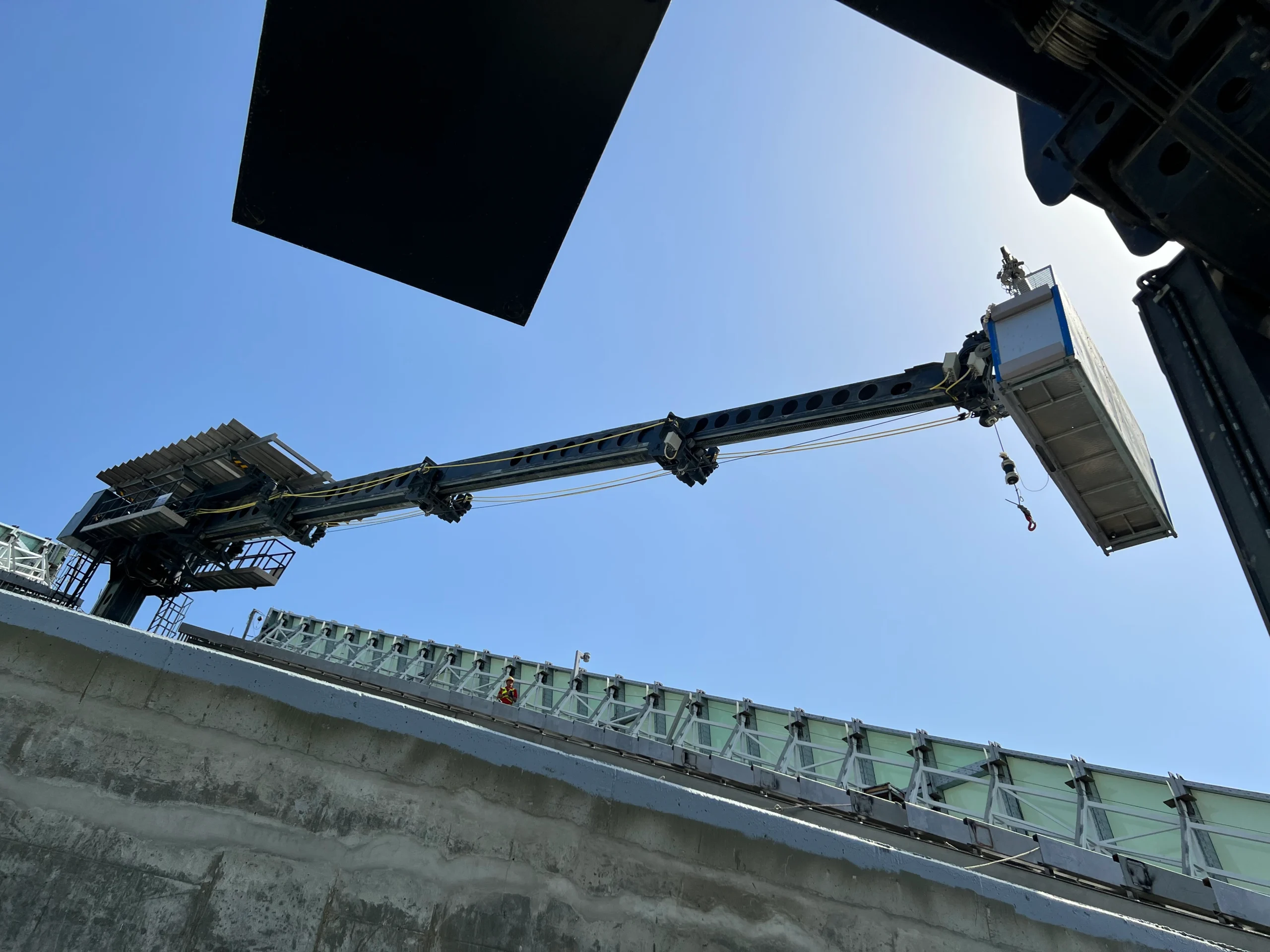
When considering a new building development, the means of safely maintaining the fabric of the building over its design life is crucial.
That maintenance not only considers the routing cleaning maintenance, but also maintenance of façade “greening”, facade light maintenance repairs and panel replacement, and also and external services such as lighting and fire/security equipment.
With the ever-developing demands on the building façade and form, together with the ever-developing means of maintaining that envelope, now more than ever is the need for independent advice to steer the Client and Design Team safely through the myriad options to perform the maintenance tasks.
The right solution will have many competing aspects but the facts must be made clear so a definitive selection can be made that considers both capital and operational costs associated with maintenance.
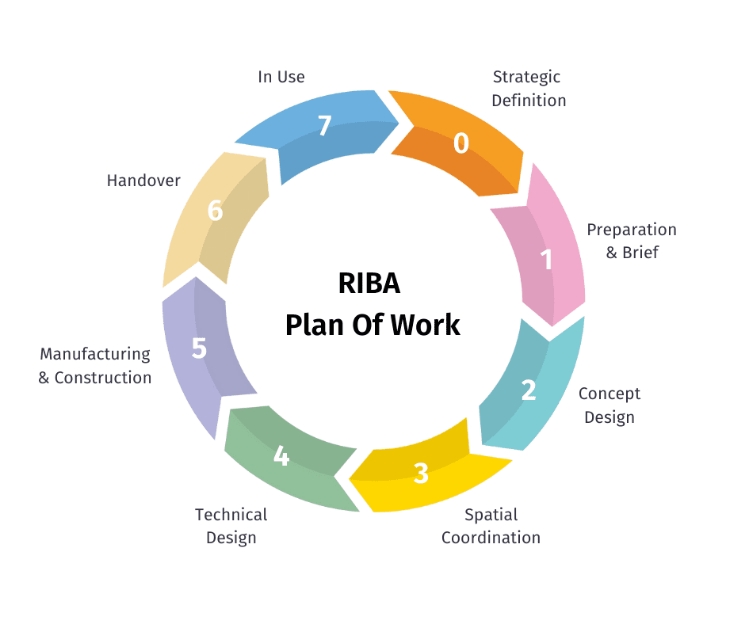
Stage 2: Concept design
This is a key point in the development of an overall façade Access + Maintenance strategy to understand the primary aspects of the project and ensure the client is provided with appropriate advice, and have the opportunity to challenge and agree the principles being established.
It is important the key aspects and requirements of the façade Access + Maintenance are accounted for and incorporated into the base outline of the building, operationally, spatially, structurally and commercially while acknowledging the constraints.
It is important any aspects that may have an impact on planning consent are acknowledged and incorporated.
Stage 3: Spatial coordination
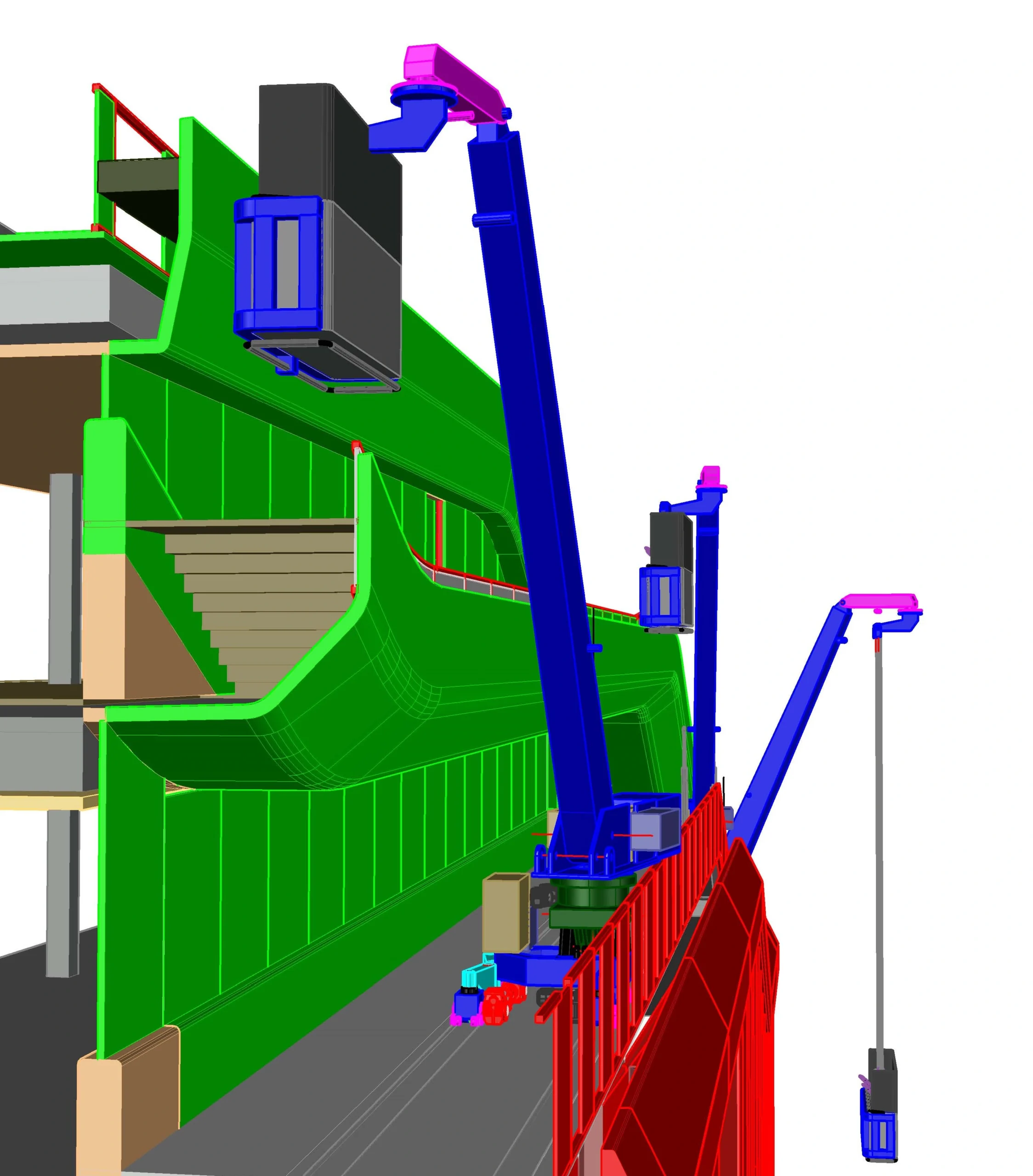
We develop within REEF the spatial coordination and engineering requirements to ensure the access + maintenance strategy can be incorporated within the developing building design.
We have the engineering skills in house acquired from over 30 years of direct experience and direct involvement in over 600 projects that provides an unrivalled depth of knowledge.
Stage 4: technical design
Our in-house engineering knowledge and skills, together with a thorough knowledge of the technical capabilities of the key manufacturers/suppliers of access systems worldwide allows us to provide the detailed information to design and construct the project.
We establish the requirements, performance and standards expected of the access systems in a detailed performance specification that allows competitive tendering to the specialist contractors.
Stage 5: Manufacturing & Construction
Although we provide the parameters and standards required the specialist contractor is responsible for the design and incorporation of the systems into the building.
It is imperative through this process that the contractors designs are scrutinised to ensure that they are fully meeting the requirements of the specification.
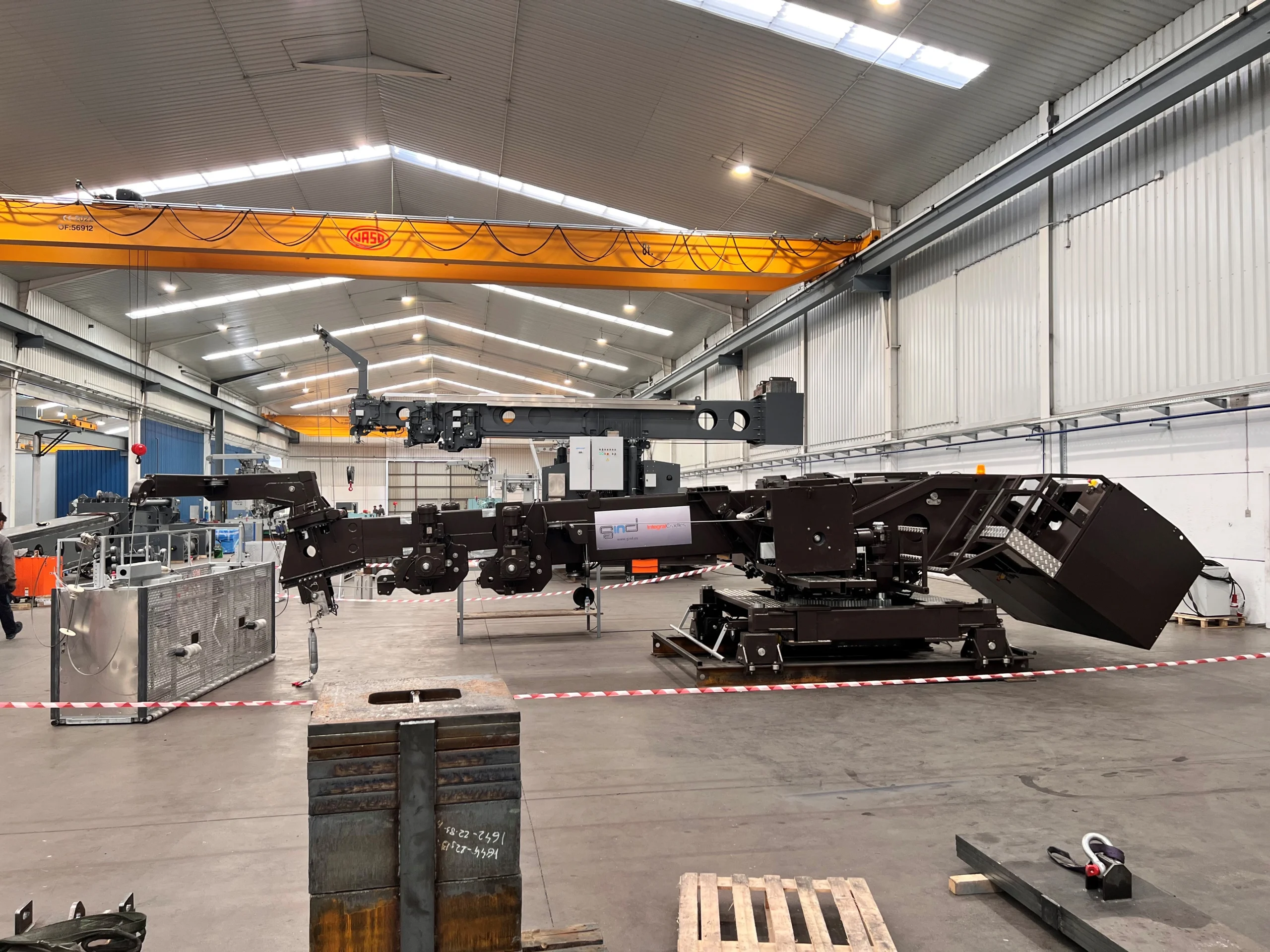
Significant elements of equipment will need to go through factory acceptance testing and certification to ensure requirements are fully met before integration into the works.
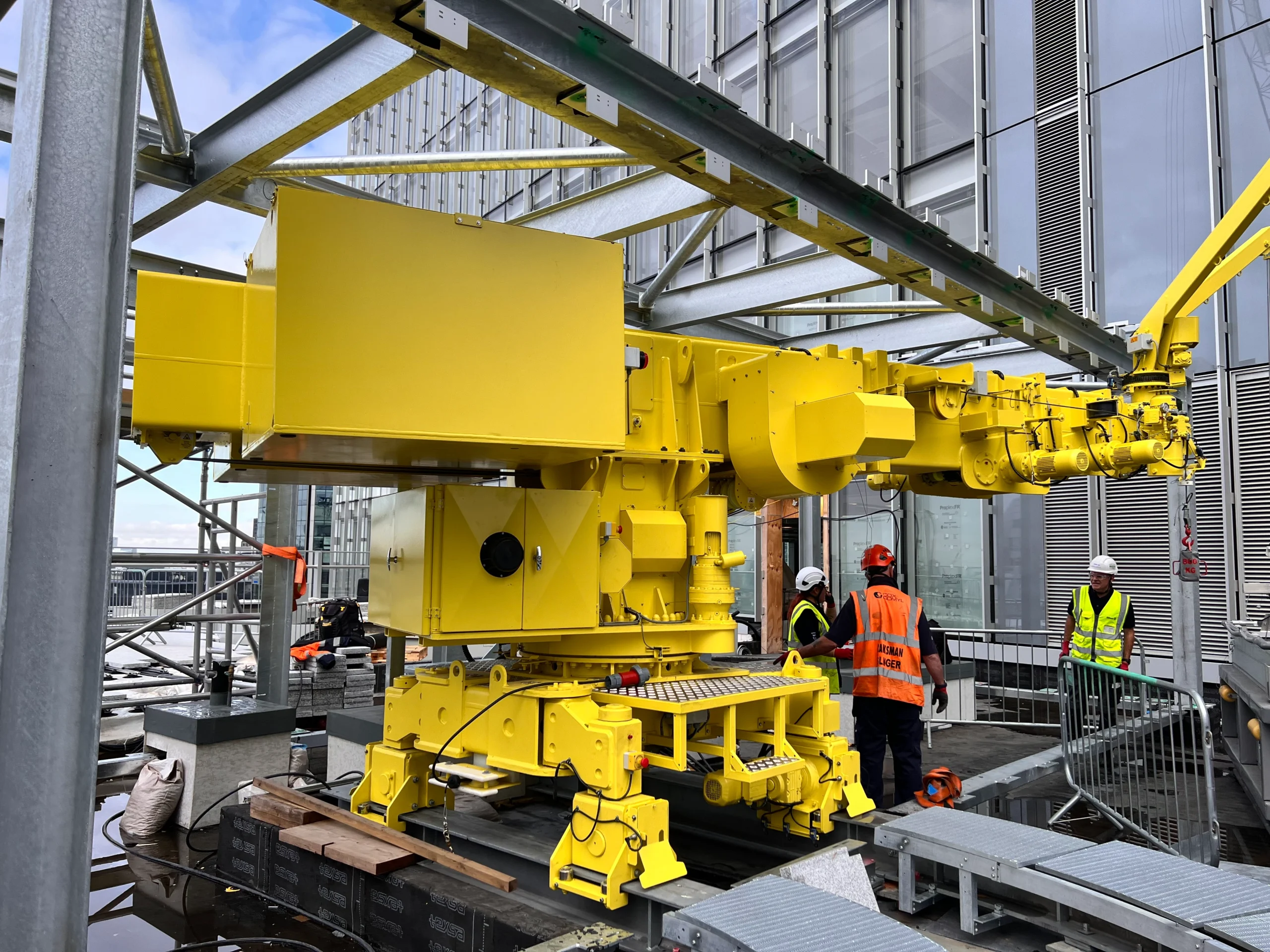
On site the installation works must be monitored and documented to ensure compliance but also as a record for future inspection authorities to have documented evidence that the installation is in accordance with design intent.
The final stage is to ensure documentation and manuals are suitable and adequate for the future users and maintainers of the systems.
A very common and often overlooked aspect of access systems is the desire for them to be used during the later stages of the project for construction purposes through a beneficial use period. This need to be managed and overseen.
Stage 6: Handover
Final confirmation that the systems, certification, documentation and manuals are complete and available for the end user.
Stage 7: In use
Carry out periodic reviews of the installed equipment to ensure the systems are being correctly maintained and operated. Provide assistance to the end users as required.